

Coloniality of international law
Public international law, as the current global regime regulating relations between states, is primarily the product of a European law of nations (Volkerenrecht) that has been universalised at specific historical moments. Its fundamental principles and norms find...

Post-productivism
Post-productivism involves understanding (i) productivism, (ii) post-productivism, and (iii) post-productivism as a critical legal approach. Productivism is an ideology strongly associated and disseminated throughout the industrial periods of the nineteenth...

Platform Capitalism and Law
Data have become the raw material of twenty-first-century capital accumulation, and the platform is the business model best designed to extract, analyse, and monetise that raw material. This has direct yet perhaps underappreciated consequences for legal thought. Law...

Legal Education and Technology
The industrialisation of the legal mind refers to the systematic process through which legal education conditions and trains students to think within narrowly defined, market-driven frameworks that prioritise rationality and efficiency over creativity, emotional...

Justice
Justice is a fundamental principle of law and political theory, often understood as underpinning the fair distribution of rights, responsibilities, and resources. In classical legal thought, justice remains mainly grounded in a liberal-legalist framework, which...

Emergency
Emergency is a key constitutional concept that is operative across constitutional orders across the world, in various forms ranging from written constitutional provisions especially devised for addressing situations of crisis, to articulated constitutional or purely...

Dis/ability and the Production of the Human
Critical studies of dis/ablism have shown how the ability/disability binary operates as a central apparatus in the production of the ‘human’ (Campbell 2008; Goodley 2014): and thus, the non-human, the less-than-human, and liminal and devalued forms of humanity...

Land Dereliction as a Social Crime
Since the financial crash of 2008, housing has emerged as a central issue of a great many urban and rural spaces. In many major cities, practices of 'land banking' by developers, often involve hoarding unused and/or derelict housing stock until market conditions,...

Childhood as a Legal and Social Construct
Childhood is often treated in law as a natural and universal stage of life, yet critical scholarship shows it to be historically and socially constructed. Historians such as Philippe Ariès argued that “childhood” as a distinct phase only emerged in early modern...
Racial Bias and Jury Composition in the United States
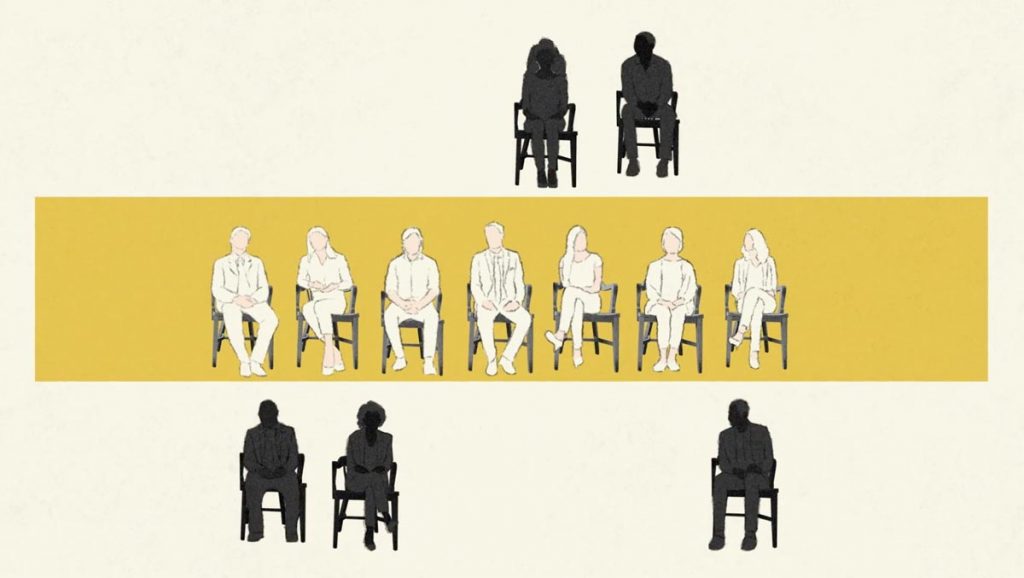
The right to a jury of peers is enshrined in U.S. law, yet the selection process has historically favored white jurors, systematically excluding black individuals through various legal and procedural barriers. In the context of the recent trial of Ahmaud...
A Critical Approach to Citizen’s Arrest Laws in the US
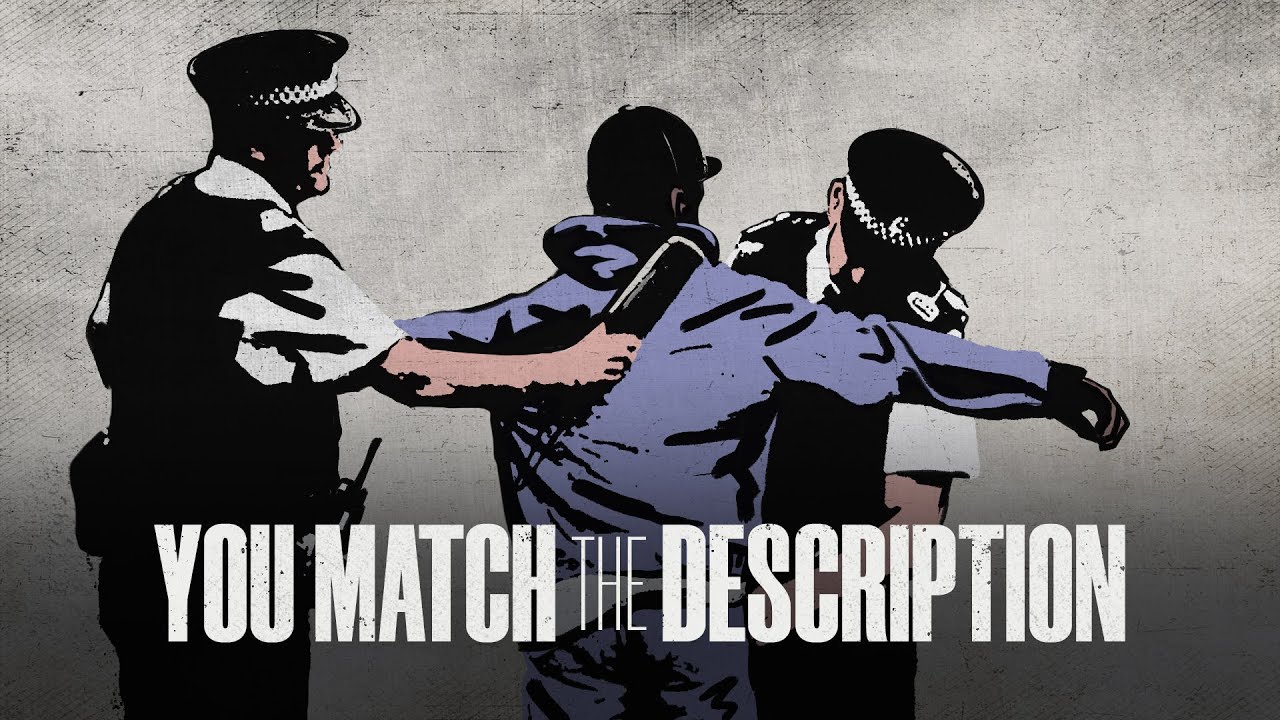
As explained in a previous entry, Critical Race Theory (CRT), which examines the intersection of race, law, and power posits that racism is embedded in legal systems and policies, often resulting in the marginalization of racialized groups. This related entry examines...

An Introduction to Critical Approaches to Human Rights
There are a wide variety of different critical responses to human rights, spanning over 250 years, from Olympe de Gouges’ feminist critique of the rights of men and Edmond Burke’s critique of abstract universalism; to the way the Haitian slave revolution shows the...